About
Hi, I am
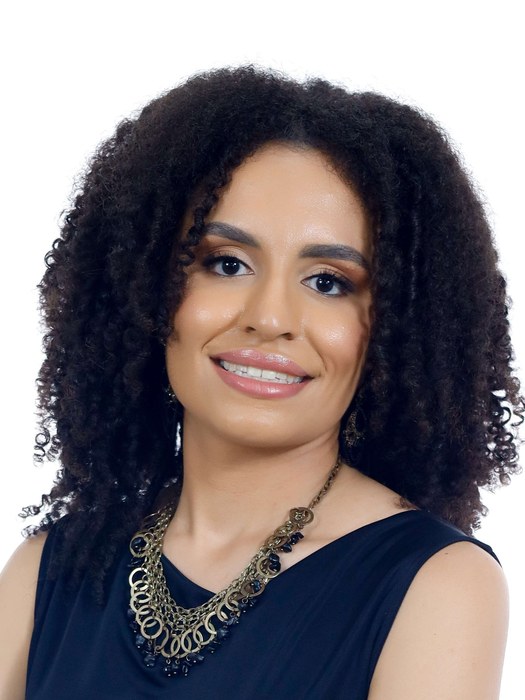
Isadora Mamede
I am a Brazilian physician and researcher based in Brazil. I have always been drawn to numbers — math and statistics were the subjects I genuinely loved in school, while most of my classmates were running from them. That curiosity about how data tells stories never went away.
When I got to medical school, I discovered oncology and technology almost simultaneously, and something clicked. Oncology is one of the fields where data analysis actually changes what happens to patients — where a well-run meta-analysis can shift treatment guidelines, and where the quality of evidence directly determines whether someone gets an effective therapy or not. That is where I wanted to be.
The problem was that my university did not offer many paths into research. There was no lab to join, no faculty actively mentoring students into publishing, no clear roadmap. I figured it out mostly alone — reading papers, learning R by trial and error at night, cold-emailing researchers, failing, submitting, getting rejected, revising, and eventually getting published.
Thirteen peer-reviewed papers and more than twenty conference abstracts later — including presentations at ASCO — I can say that the path exists even without institutional support. It is harder, slower, and more confusing than it should be. Medtown is my attempt to shorten that path for everyone who comes after.
I write about research methods, data analysis in R and Python, and the honest reality of building a research career without a lab. I am still learning — currently studying for USMLE Step 1 while doing research and working clinically — and I think that ongoing process makes this blog more useful, not less. You are getting the method as I am living it, not a polished retrospective from someone who has already arrived.
Find me online
Research Focus
Lung cancer, genitourinary cancers, immunotherapy, and survival analysis. Most of my published work is in this area.
Systematic reviews, meta-analyses, and Bayesian network meta-analyses. I have published across multiple clinical areas using these methods.
Machine learning applied to clinical problems, including a mobile app using TensorFlow for sleep apnea assessment. Currently studying data science formally.
Follow the journey
Subscribe for articles on research, data analysis, and what it really takes to publish without institutional support. Free ebook included.